Roofing
Shingle Roof vs Metal Roof in Texas: Which One Is Right for You?
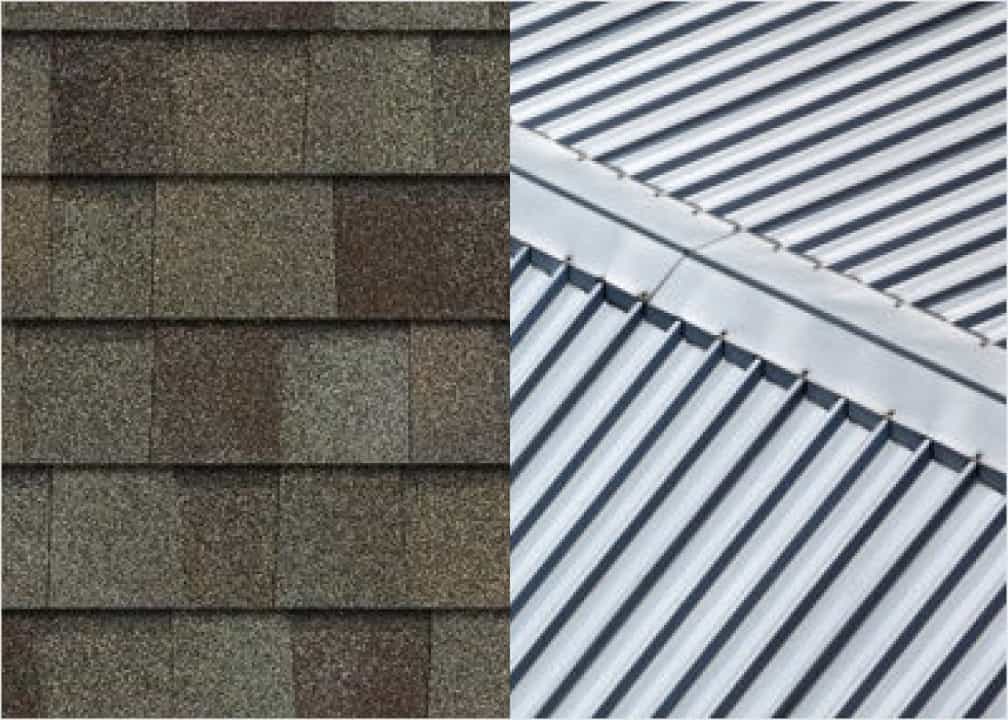
Shingle Roof vs Metal Roof in Texas: Which One Is Right for You?
Published by Quality Exteriors ATX | qualityexteriorsatx.com
This is one of the most common questions we get from Austin homeowners, and it deserves a straight answer. Not a sales pitch for whichever option costs more. Just honest information so you can make the right call for your home, your budget, and how long you plan to stay in the house.
Here's everything you need to know.
The Short Answer
Asphalt shingles are the right choice for most Austin homeowners replacing a roof today, especially if you have a 10 to 15-year horizon, a traditional home style, or an HOA with material restrictions.
Metal roofing makes sense if you plan to be in your home 20-plus years, you want a roof-once-and-done solution, or you're building a modern or contemporary home where the aesthetic fits.
If you land somewhere in the middle, Class 4 impact-resistant shingles are often the smartest move in Central Texas specifically, and we'll explain exactly why below.
Cost: What You'll Actually Pay in 2026
Architectural asphalt shingles run $5 to $7 per square foot installed in Texas. For a typical 2,000 square foot roof, that's $8,000 to $15,000 all in.
Standing seam metal roofing runs $10 to $16 per square foot installed. That same 2,000 square foot roof costs $20,000 to $40,000 depending on the metal type and roof complexity.
Here's how the full range breaks down:
Option | Cost Per Sq Ft Installed | Typical Austin Home Total |
|---|---|---|
Architectural Asphalt (standard) | $5.00 to $7.50 | $10,000 to $18,000 |
Class 4 Impact-Resistant Shingles | $7.00 to $9.50 | $14,000 to $22,000 |
Exposed Fastener Metal Panel | $7.00 to $10.00 | $14,000 to $24,000 |
Standing Seam Metal | $10.00 to $16.00 | $20,000 to $40,000 |
One note on metal pricing in 2026 specifically: Section 232 tariffs on steel and aluminum reached 50% in mid-2025 and remain in effect as of early 2026. The Producer Price Index for aluminum mill shapes jumped 33% year-over-year in January, while steel mill products rose 20.7%. If you're considering metal, get your quotes now rather than waiting.
Lifespan: The Honest Numbers for Texas
Texas is brutal on roofs. The combination of UV exposure, heat cycles, and hailstorms shortens the lifespan of every roofing material compared to more temperate climates.
Metal roofs last 40 to 70 years with proper installation and minimal maintenance. Asphalt shingles typically last 15 to 30 years in Texas conditions. The state's heat cycles and occasional wind-driven storms can cause shingles to crack, curl, or lift prematurely.
What this means practically: if you're replacing your roof at 45 and plan to stay in your home, you will likely replace a shingle roof at least once during your ownership. A metal roof installed today could outlast your time in the house entirely.
When you factor in a second shingle roof 25 years from now at inevitably higher prices, the lifetime cost gap between shingles and metal narrows dramatically. In storm-prone regions where insurance discounts and reduced repair frequency are significant, metal can actually cost less over the full ownership period.
Hail Resistance: This Is the Texas-Specific Factor
Central Texas sits squarely in what the industry calls "Hail Alley." Austin averages multiple significant hail events per year. This single fact changes the roof decision more than any other variable for most homeowners here.
How hail affects each material differently:
When hail hits an asphalt shingle, it knocks off the protective granules, exposing the dark matting underneath to UV rays. This is considered functional damage because it directly impacts the shingle's ability to do its job and shortens the roof's lifespan. Insurance will almost always cover this, which usually leads to a full roof replacement.
A metal roof might just get dented by hail. If those dents don't create a hole or crack or break the metal's protective finish, many insurance policies will classify it as purely cosmetic damage. Some policies have specific exclusions for cosmetic damage, meaning your insurance company won't pay to replace a roof that's just dented.
This is a critical point most homeowners miss. Metal roofing is more physically durable, but the insurance dynamic is more complicated. Dented metal may not trigger a covered claim the way granule-stripped shingles do. Before choosing metal, have a conversation with your insurer about exactly how hail damage is classified on your policy.
The Class 4 middle ground:
Class 4 impact-resistant shingles are specifically designed to handle hailstorms and can save you a world of headache, plus potentially lower your insurance premiums. Making this upgrade nudges the cost up to $7.00 to $9.50 per square foot, which is still a much lower upfront cost than almost any metal roof.
These shingles look identical to standard architectural shingles from the street. They must survive two direct strikes from a 2-inch diameter steel ball dropped from 20 feet without cracking, tearing, or splitting. This simulates golf ball-sized hail at terminal velocity. Standard architectural shingles fail that test. Class 4 shingles pass it.
Insurance Savings: Where the Math Gets Interesting
This is where Central Texas homeowners need to pay close attention.
Texas homeowners insurance rates have increased 60% in the past five years, largely due to catastrophic hail damage claims. Your roof choice directly affects what you pay in premiums every year.
Most Texas insurers offer 20 to 35% discounts on the dwelling coverage portion of your premium for Class 4 impact-resistant roofing. On a home where you're paying $4,000 per year in homeowners insurance, a 25% discount saves you $1,000 annually. Over 20 years that's $20,000 in insurance savings, which can offset a significant portion of the premium you paid for Class 4 shingles or a metal roof.
Many Texas insurers offer premium discounts of up to 35% for metal roofing because it is both fire-resistant and hail-resistant. Always check with your agent before installing to see what credits you qualify for.
Our recommendation: before you decide between standard shingles, Class 4 shingles, or metal, call your insurer and ask for a quote with each option. The difference in annual premium can meaningfully change which option is the financially smarter choice for your specific situation.
At Quality Exteriors, we call your insurer directly for you as part of the inspection process. This is not something you should have to figure out on your own.
Energy Efficiency
Texas summers are punishing on cooling costs. Your roof affects how hard your AC works.
Metal roofing with reflective coatings can reduce cooling costs by 10 to 25% compared to standard dark asphalt shingles. In hot-climate states like Texas, this translates to $150 to $500 in annual energy savings depending on home size, insulation, and AC efficiency. Over a 50-year metal roof life, cumulative energy savings can reach $7,500 to $25,000.
Asphalt shingles can also be ordered in lighter colors that reflect more heat, and proper attic ventilation has a significant impact on cooling costs regardless of material. But if energy efficiency is a priority, metal has a meaningful edge in the Texas climate.
Noise, Installation Time, and HOA Considerations
Noise: Metal roofs can be louder during heavy rain if not properly insulated. With modern decking and underlayment installation, the noise difference is minimal and not a practical concern for most homes.
Installation time: A typical residential metal installation takes 3 to 7 days, compared to 1 to 2 days for shingles, because metal requires precision cutting, specialized flashing, and careful handling.
HOA restrictions: If you live in a neighborhood with a homeowners association, check the covenants before ordering metal. Many HOAs in Texas still require traditional shingle aesthetics and will reject metal roofing applications. Modern metal panels can mimic shingles convincingly, but your HOA approval is not guaranteed.
Home Value and Resale
Metal roofing recovers 60 to 85% of its cost at resale according to Remodeling Magazine annual reports, and homes with metal roofs sell faster in many markets. Buyers value the long remaining lifespan, low maintenance, and energy efficiency.
Quality Exteriors installs both systems on homes throughout Austin, Westlake Hills, Cedar Park, Steiner Ranch, and Central Texas. In our experience, a metal roof is a meaningful differentiator in a listing conversation, especially for buyers who understand the Austin hail market and don't want to inherit a roof that's due for replacement in 10 years.
What Quality Exteriors Recommends
After 25 years and 4,200-plus roofs in Central Texas, here is how we think about this decision honestly:
For most Austin homeowners replacing a traditional or transitional-style home with a 10 to 15-year horizon: Class 4 impact-resistant architectural shingles from GAF, Atlas, Malarkey, or Owens Corning. Best combination of upfront cost, hail performance, and insurance benefit. We include high-profile ridge shingles and synthetic underlayment as standard in every job.
For homeowners with a 20-plus year horizon, a modern or contemporary home, or who are simply done with the shingle replacement cycle: Standing seam metal. The lifetime cost case is strong in Texas, the energy savings are real, and the hail performance is as good as it gets.
For homeowners with budget constraints who still want better performance than standard shingles: Architectural shingles from a quality manufacturer are still a solid roof. The key is proper installation, adequate ventilation, and using a contractor who stands behind their work with a real warranty.
The one option we'd steer most Austin homeowners away from: 3-tab shingles. They're the cheapest option upfront and the most expensive over time in a Texas climate. We install them when a budget truly requires it, but we always have the honest conversation about why the architectural or Class 4 option is a better long-term investment.
The Bottom Line
Neither shingles nor metal is the universally right answer. The right roof is the one that fits your budget, your timeline, and the specific climate demands of Central Texas.
What we can tell you is that the decision deserves more than a 10-minute conversation. It requires an actual inspection of your current roof, an honest assessment of your material options, and a call to your insurer to understand exactly how your premium changes with each choice.
That inspection is free. We do it without obligation, and if your current roof doesn't need replacing, we'll tell you that too.
Quality Exteriors ATX Serving Central Texas Since 1999 5.0 Stars · 421+ Google Reviews · Lifetime Workmanship Warranty Certified Installer: GAF, Atlas, Malarkey, Owens Corning
Book Your Free Roof Inspection (737) 308-2035 · qualityexteriorsatx.com
Quality Exteriors
📍 Austin, TX
✉️ contact@qualityexteriorsatx.com
🌐 https://www.qualityexteriorsatx.com
Written By

Josh Black
LEARNING CENTER
Confused about roofing terms, materials, or the insurance process? Our Learning Center breaks it all down with easy-to-understand guides, videos, and expert tips so you can make smart, confident decisions about your home.